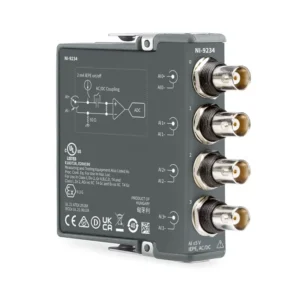
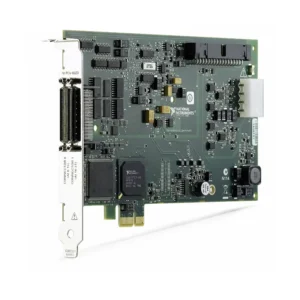
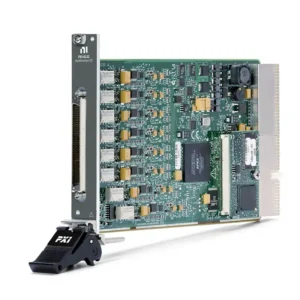
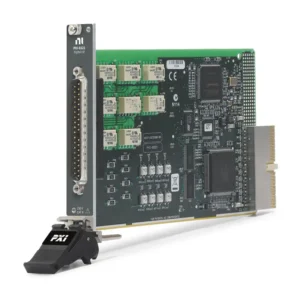
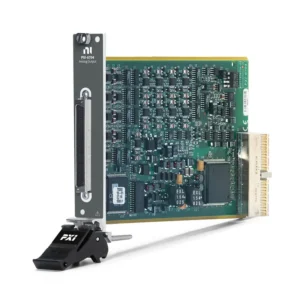
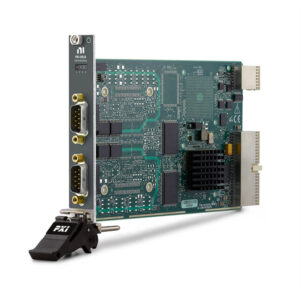
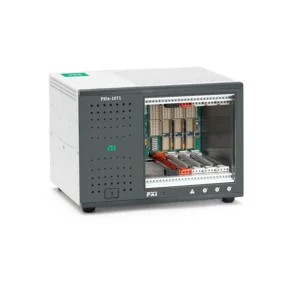
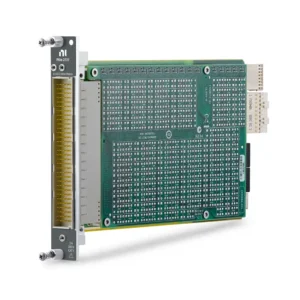
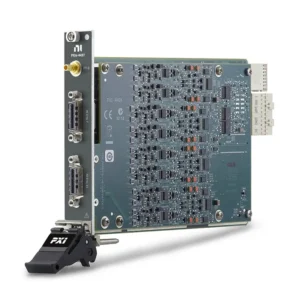
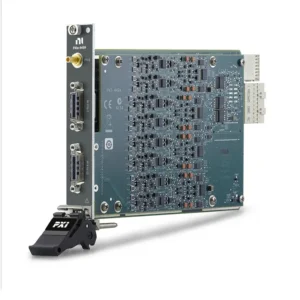
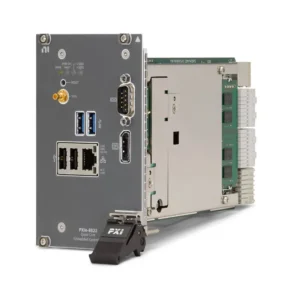
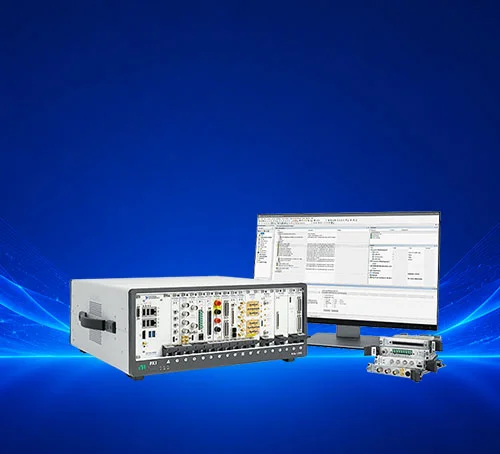
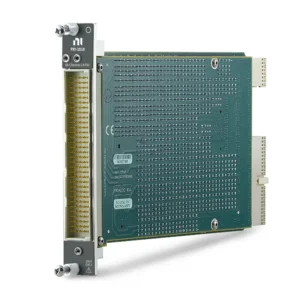
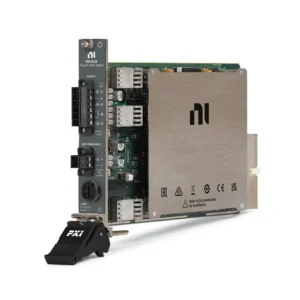
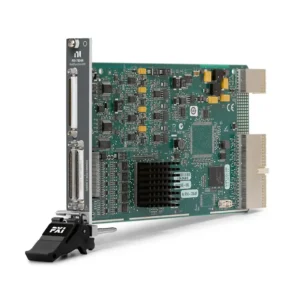
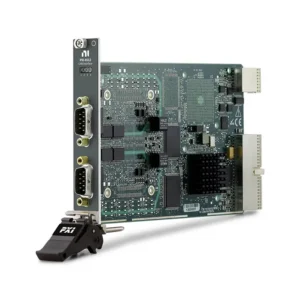
PXI 源测试与测量解决方案
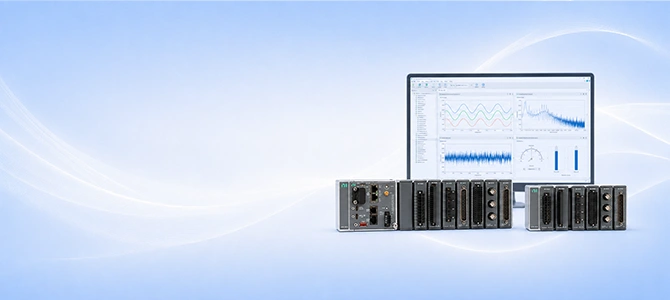
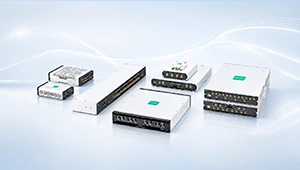
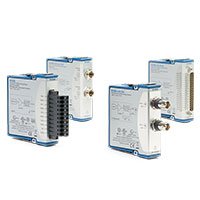
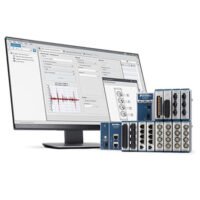
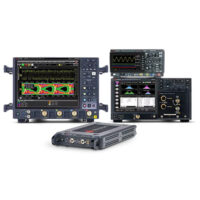
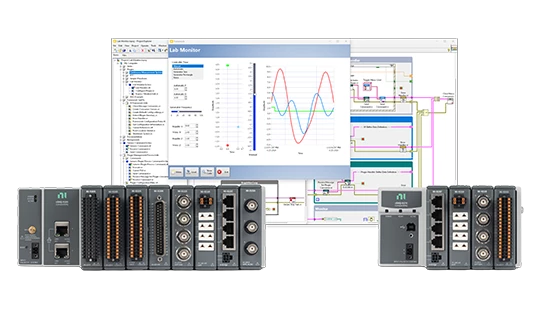
PXISOURCE 提供模块化测试和测量硬件,适用于自动化测试、数据采集、电子验证、射频测量、工业控制和研究应用。我们的产品组合涵盖 NI PXI 和 PXI Express 系统、CompactDAQ、CompactRIO、C 系列模块、PCI 和 USB 设备、USRP 软件无线电以及部分 Keysight 台式仪器。
我们为工程师、系统集成商、实验室和采购团队提供产品识别、平台选择、机箱和模块兼容性审查、配件匹配、旧系统替换以及新旧测试系统的采购支持。
测试与测量产品平台
| 产品平台 | 核心能力 | 最佳匹配 | 关键选择标准 |
|---|
| PXI 和 PXI Express 系统 | 模块化仪器、同步测量、开关、射频、功率和自动化测试 | 生产测试、验证实验室、半导体测试和高通道数系统 | 机箱插槽类型、控制器性能、背板带宽、同步和模块兼容性 |
| CompactDAQ 系统 | 通过 USB、以太网或集成控制器进行模块化传感器和电气数据采集 | 实验室测量、便携式测试、数据记录和分布式采集 | 传感器类型、C系列模块支持、采样率、通道数和主机连接 |
| CompactRIO 系统 | 实时处理、基于FPGA的控制和坚固耐用的模块化I/O | 工业控制、硬件在环测试、状态监测和嵌入式系统 | 处理器、FPGA资源、实时操作系统、插槽数量和环境评级 |
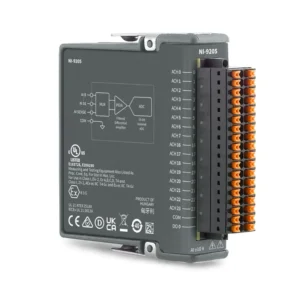
| C系列模块 | 传感器专用模拟、数字、通信、计数器和特殊 I/O | CompactDAQ 和 CompactRIO 测量和控制系统 | 信号类型、隔离度、信号调理、连接器、采样率和平台兼容性 |
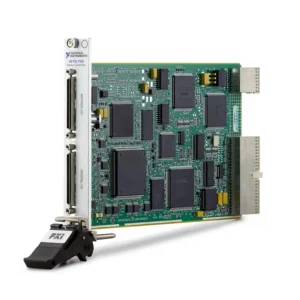
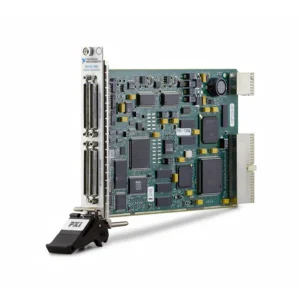
| PCI 和 PCI Express 设备 | 计算机安装的数据采集、数字输入/输出、通信、FPGA 和数字化仪功能 | 桌面控制实验室、OEM系统和现有的基于PC的测试设备 | 计算机插槽、操作系统、驱动程序版本、信号范围和分线附件 |
| USB测试和测量设备 | 便携式数据采集、数字I/O、通信和台式测量 | 实验室工作、教育、现场测试和快速原型开发 | USB带宽、总线或外部供电、通道数、采样架构和连接性 |
| USRP软件定义无线电 | 用于无线研究和原型设计的可编程射频收发硬件 | 5G和6G研究、频谱监测、通信、雷达和射频算法开发 | 频率范围、瞬时带宽、射频通道、FPGA 功能和主机接口 |
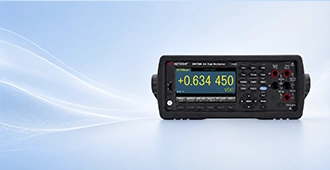
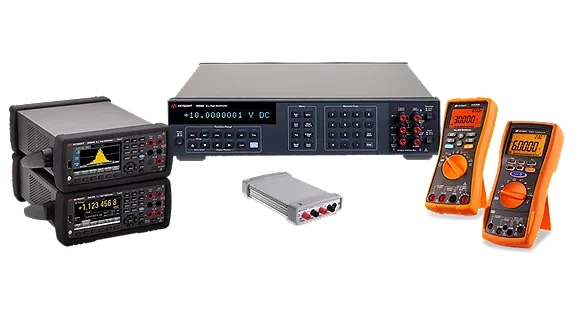
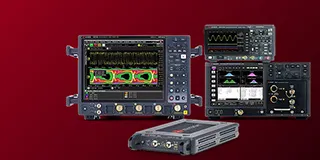
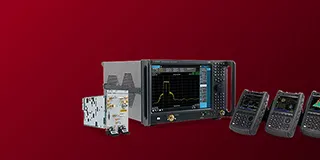
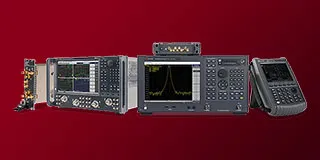
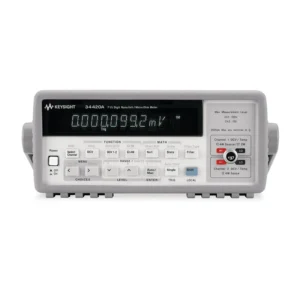
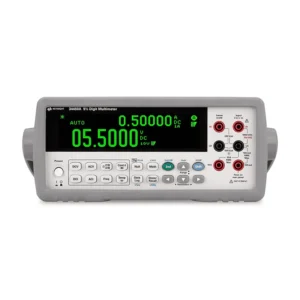
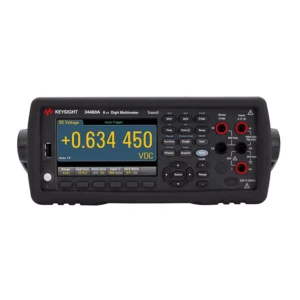
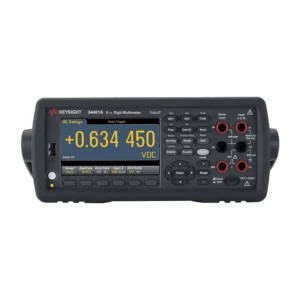
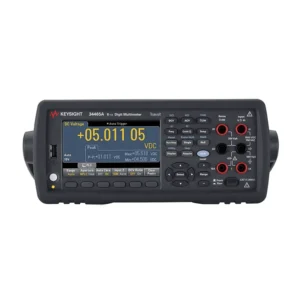
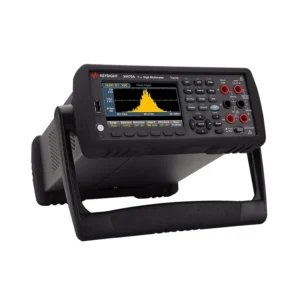
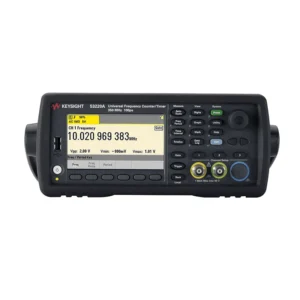
| Keysight 测试仪器 | 示波器、频谱分析仪、网络分析仪、电源、数字万用表和模块化仪器 | 台式特性分析、射频测试、电子设计和实验室测量 | 测量范围、带宽、精度、选项、接口和应用软件 |
完整的 PXI 测试系统
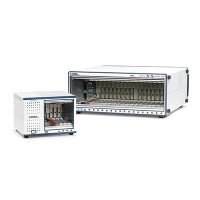
PXI 将模块化仪器、计算机处理、PCI Express 数据传输和精密计时集成到一个自动化测量平台中。一个完整的系统通常包括机箱、控制器、测量模块、接线端子、电缆、软件和专用夹具。
PXI系统可以集成多种仪器功能,包括:
- 模拟和数字数据采集
- 示波器和高速数字化仪
- 射频信号生成与分析
- 数字万用表和LCR测量
- 源测量单元和可编程电源
- 信号切换和多路复用
- FPGA和实时处理
- 工业和汽车通信接口
- 传感器、声音、振动和温度测量
- 时序、触发和多机箱同步
正确的 PXI 配置取决于所需的测量参数、通道数、采样率、带宽、同步要求和软件环境。机箱和控制器的选择必须满足每个已安装模块的综合电源、散热、PCI Express 和处理能力要求。
数据采集和传感器测量
数据采集系统将物理或电信号转换为数字数据,用于监测、分析和控制。PXISOURCE 提供模块化和基于计算机的数据采集平台,用于采集电压、电流、温度、应变、压力、力、振动、声音、位置、频率和数字信号。
仅凭测得的物理参数无法确定正确的硬件。例如,压力传感器可能产生桥式信号、经过处理的电压、电流环路输出、电荷信号或数字通信接口。在选择数据采集设备之前,务必先确定传感器的电输出类型。
| 测量类型 | 典型信号 | 所需体能 | 选择优先级 |
|---|
| 通用电压 | 单端或差分电压 | 输入范围、滤波、隔离和接地 | 分辨率、采样率、精度、通道数和共模范围 |
| 热电偶 | 低水平温度相关电压 | 冷端补偿和开路传感器检测 | 热电偶类型、通道数、隔离度和温度精度 |
| RTD 和电阻 | 电阻变化 | 精确激励和导线补偿 | 两线、三线或四线连接方式、励磁电流和精度 |
| 应变和桥式传感器 | 低电平差分 mV/V 信号 | 桥梁竣工、励磁、遥感和分流校准 | 桥式结构、电阻、激励方式、输入范围和带宽 |
| 声音和振动 | IEPE、电荷或电压 | Constant-current excitation, coupling and anti-alias filtering | Frequency range, dynamic range, simultaneous sampling and sensor compatibility |
| Digital and Counter | Logic state, pulse, frequency or encoder | Voltage-level compatibility, isolation and debouncing | Logic level, update rate, direction, counter resolution and timing |
RF and Wireless Test Solutions
RF test systems require the correct frequency range, instantaneous bandwidth, dynamic range, phase noise and synchronization architecture. Available solutions include PXI RF instruments, vector signal transceivers, spectrum analyzers, signal generators and USRP software-defined radios.
PXI RF instruments are typically selected for automated validation and production testing where calibrated measurements, repeatable switching and test throughput are priorities. USRP devices are suited to programmable radio research, communications prototyping and custom over-the-air algorithms.
Before selecting RF hardware, confirm:
- Minimum and maximum operating frequency
- Required instantaneous bandwidth
- Number of coherent transmit and receive channels
- Output power and receiver dynamic range
- Reference clock and synchronization requirements
- Real-time processing or FPGA requirements
- RF connectors, attenuation, amplification and switching
- Waveform-generation and analysis software
Electronic Test and Device Validation
Electronic validation systems combine stimulus generation, precision measurements, switching and automated test sequencing. A system may include oscilloscopes, digital multimeters, programmable power supplies, source measure units, waveform generators, electronic loads and RF instruments.
Selection should be based on the complete DUT test requirement rather than the nominal instrument type. Important specifications include voltage and current range, accuracy, resolution, bandwidth, channel isolation, protection limits, transient response and measurement speed.
Industrial Control and Embedded Measurement
CompactRIO combines a real-time processor, user-programmable FPGA and C Series I/O for deterministic control and monitoring. It is used in applications where measurement, decision and output operations must occur predictably without depending on a general-purpose desktop operating system.
Typical CompactRIO applications include:
- Hardware-in-the-loop simulation
- Industrial machine control
- Energy and power-system monitoring
- Condition monitoring and predictive maintenance
- Automotive and aerospace control prototyping
- Distributed measurement and remote monitoring
- Research equipment and experimental automation
Review the required control-loop rate, FPGA logic, I/O update speed, communication protocols, storage and environmental conditions before choosing a controller and chassis.
How to Select a Test and Measurement Platform
1. Define the Measurement or Control Task
List every required input, output, communication bus and instrument function. Record the signal type, expected range, source impedance, bandwidth, update rate and channel quantity.
Separate measurement requirements from analysis requirements. A device may acquire the necessary signal but still require additional software, controller performance or FPGA processing to complete the application.
2. Determine the Required Performance
Specify accuracy, resolution, sample rate, measurement bandwidth, latency and synchronization. Avoid selecting hardware from ADC resolution or maximum sample rate alone; noise, gain error, offset, filtering and timing architecture also affect system performance.
3. Select the Platform Architecture
| Requirement | Recommended Platform | Reason |
|---|
| High-performance automated test with multiple instrument types | PXI or PXI Express | Modular instruments, high data bandwidth and integrated timing |
| Portable or general-purpose sensor acquisition | CompactDAQ | Flexible C Series signal conditioning and simple host connectivity |
| Deterministic control and FPGA processing | CompactRIO | Real-time processor, FPGA and rugged modular I/O |
| Low-cost integration inside a desktop computer | PCI or PCI Express | Direct computer-bus connection without a separate chassis |
| Portable laboratory or field measurement | USB Device | Convenient connection and rapid setup |
| Wireless research and programmable RF | USRP | Software-defined radio architecture and FPGA-based signal processing |
| Standalone manual characterization | Benchtop Instrument | Integrated display, controls and standard instrument interfaces |
4. Check System Compatibility
Confirm the relationship between the module, chassis, controller, terminal block, cable, sensor and software. The product model alone is rarely sufficient to define a complete system.
For PXI and CompactRIO systems, review slot type, power, cooling and backplane resources. For PCIe devices, verify the physical and electrical lane configuration of the computer slot. For USB devices, confirm power and host-controller bandwidth.
5. Review Software and Driver Support
Check the required NI or instrument driver, operating system, application-development environment and license. Common NI software components include NI-DAQmx, NI-VISA, NI-SCOPE, NI-DCPower, NI-RFSA, NI-RFSG, NI-SWITCH, LabVIEW, TestStand, FlexLogger and InstrumentStudio.
Legacy hardware may not support current operating systems or drivers. A newer replacement can require software modification even when it performs the same basic measurement.
6. Include Accessories and Connectivity
Terminal blocks, cables, connector blocks, adapters, attenuators, probes and rack accessories are part of the measurement path. Some terminal blocks provide cold-junction compensation, bridge completion, attenuation or other required conditioning and cannot be replaced by a generic connector.
7. Calculate Data Throughput and Storage
For continuous acquisition, calculate the aggregate data rate:
Data rate = active channels × sample rate × transferred bytes per sample.
Verify the complete path from the acquisition device through the chassis or host interface to memory, processing and storage. Allow margin for protocol overhead, file-system activity, software processing and simultaneous instruments.
8. Plan for Calibration and Lifecycle
Consider the required calibration interval, traceability, installed software base and expected system service life. A replacement model with improved specifications may still require new cables, accessories, drivers and application requalification.
New and Pre-Owned Test Equipment
PXISOURCE supports sourcing for current systems, expansion projects, spare inventory and legacy equipment replacement. Depending on the model and project requirement, sourcing options may include new factory-sealed hardware or pre-owned equipment.
Product condition should be clearly identified in the quotation and purchase documents. For pre-owned hardware, buyers should request functional verification appropriate to the product type rather than relying only on exterior appearance or device recognition.
| Condition | Best Fit | What to Confirm |
|---|
| New Factory-Sealed | New systems, regulated projects and applications requiring unused hardware | Complete part number, manufacturer packaging, included accessories and documentation |
| Pre-Owned | Legacy replacement, spare inventory, cost-sensitive projects and discontinued models | Functional test scope, physical condition, connector inspection, serial number and included accessories |
| System Pull | Replacing an identical component in an existing validated system | Hardware revision, part number, firmware, tested functions and compatibility |
Model names may cover multiple part numbers, hardware revisions, connector options or channel configurations. Use the complete manufacturer part number whenever possible, especially for RF instruments, controllers, automotive interfaces and configurable I/O products.
Legacy Hardware Replacement
Legacy test systems often depend on a specific combination of hardware, driver, operating system, cable and application code. Replacing a discontinued product requires more than choosing a device with similar headline specifications.
Before approving a replacement, compare:
- Bus and form-factor compatibility
- Input and output ranges
- Channel count and connector pinout
- Sampling and timing architecture
- Isolation and grounding
- Trigger and clock routing
- Terminal blocks and cables
- Driver API and operating-system support
- Calibration and documentation requirements
- Application-code changes and requalification effort
When maintaining a validated production system, an identical tested replacement can be more practical than redesigning the complete platform. New designs should evaluate current hardware, software support and long-term system requirements.
Industries and Applications
- Automotive electronics, batteries, powertrain, ADAS and NVH testing
- Aerospace and defense validation
- Semiconductor characterization and production test
- Wireless communications, radar and RF research
- 消费电子产品和家电验证
- 能源、电力电子和可再生能源测试
- 工业自动化和机器控制
- 学术、实验室和科学研究
- 声音、振动和结构测试
- 自动化光学和机器视觉检测
- 环境和长期数据记录
- 电子设计验证和制造测试
测试系统采购和询价指南
请提供以下信息以便准确选择产品和报价:
- 制造商及完整产品型号
- 制造商零件编号和硬件版本
- 所需数量和理想产品状态
- 测量、生成或控制要求
- 信号类型、范围、带宽和信道数
- 所需的精度、分辨率和采样率
- 传感器、被测设备或通信接口详情
- 现有机箱、控制器或主机型号
- 所需的接线端子、电缆和附件
- 操作系统和软件版本
- 校准或文档要求
- 收货地址和所需收货日期
订购整套系统时,请尽可能提供框图或物料清单。这有助于在订单最终确定前,识别缺失的控制器、机箱、线缆、接线端子、同步组件和软件组件。
常问问题
PXISOURCE供应哪些产品?
PXISOURCE专注于模块化和电子测试设备,包括NI PXI和PXIe系统、CompactDAQ、CompactRIO、C系列模块、PCI和USB DAQ设备、USRP无线电和精选的Keysight仪器。
PXISOURCE能否帮助配置完整的PXI系统?
是的。请提供所需的尺寸、模块清单、机箱偏好、软件环境和吞吐量要求,以便进行兼容性审查。一个完整的系统可能需要机箱、控制器、模块、接线端子、线缆和软件。
PXI 和 CompactDAQ 有什么区别?
PXI专为高性能自动化测试系统而设计,可集成多种仪器类型并实现同步高速数据传输。CompactDAQ则专注于使用C系列模块进行灵活的传感器和电气数据采集。
CompactDAQ 和 CompactRIO 有什么区别?
CompactDAQ 将测量数据传输到主机或集成控制器进行记录和分析。CompactRIO 则增加了一个实时处理器和用户可编程 FPGA,用于确定性控制、嵌入式处理和独立运行。
通用数据采集设备能否测量所有传感器的数据?
否。传感器可能需要冷端补偿、桥式激励、IEPE电源、电流激励、隔离或其他信号调理。请根据传感器的电气接口选择输入硬件。
已停产的NI模块能否用新型号替代?
有可能,但更换的模块必须检查其机箱、连接器、接线端子、信号、时序、驱动程序和应用兼容性。较新的模块可能需要重新接线或软件更改。
模块是否包含接线端子和电缆?
并非总是如此。模块、接线端子、电缆和连接器配件可能需要单独订购。购买前请确认所含物品的确切零件编号。
二手产品报价需要哪些信息?
请提供型号、零件号、数量、应用、所需测试范围和可接受的物理状态。如需直接替换,请同时提供现有设备的硬件版本和连接器详细信息。
探索 PXISOURCE 产品类别
PXISOURCE 的测试和测量解决方案
PXISOURCE 为测试工程师、实验室、系统集成商和采购团队提供产品采购、技术鉴定、系统兼容性评估和旧式测试设备更换服务。请发送所需型号清单或应用规格,以便我们提供技术匹配的报价。